WAC Clearinghouse Fellows
The WAC Clearinghouse offers fellowship opportunities for new and early career scholars who are interested in expanding their editorial and administrative experience through involvement in one or more of our publishing venues. The positions typically involve a 6- or 12-month appointment and include a modest stipend. Generally, fellows join an editorial team for a journal, book series, or other Clearinghouse project and shadow members of the team to learn about publishing. Each fellow also takes on at least one project to advance the work of the journal, book series, or project.
The purpose of the fellowships is to expose interested scholars—typically but not always scholars who are at an early point in their careers—to editorial activities. Fellows can but are not expected to remain engaged with the Clearinghouse in some way following their time as fellows.
Past Calls for Proposals
Fellows
Charles Bazerman New Scholar Fellow, 2025-26
Thais Rodrigues Cons, University of Arizona
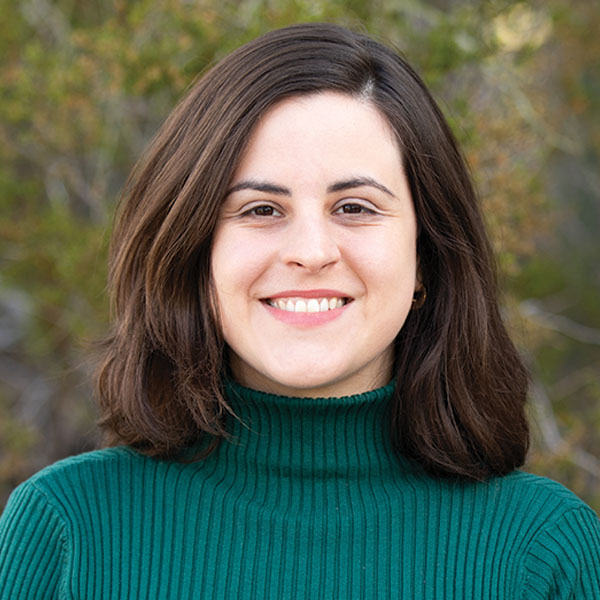 Thais Rodrigues Cons is a PhD researcher in Rhetoric, Composition, and the Teaching of English and a Writing Across the Curriculum Graduate Associate at the University of Arizona. She holds an MA in Applied Linguistics and has experience teaching English as an Additional Language, first-year writing, editing, and translating. Her research focuses on technical genres in Brazilian higher education and how writing practices support access and social justice. She has received awards from Kairos, CPTSC, IWCA, and NCTE-CCCC for her research and pioneering work in writing studies in Brazil. Now, as a fellow collaborating with Revista Latinoamericana de Estudios de la Escritura (RLEE), she brings her expertise to this born multilingual project.
Will Hochman New Scholar Fellow, 2025-26
Sarah H. Griffin, Syracuse University
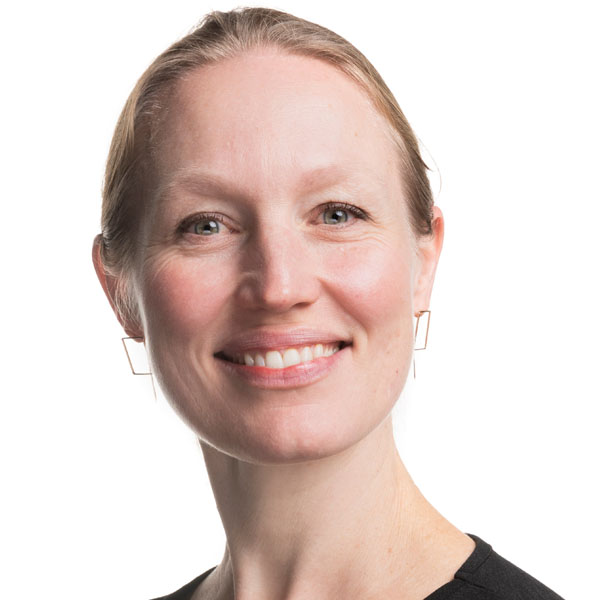 Sarah H. Griffin is a PhD student at Syracuse University. She worked as a writer and editor before turning to the study of composition and cultural rhetoric to better understand how worldviews are shaped by systemic, cultural, and material forces. Her research focuses on rhetorical constructions of belonging, and draws from affect studies, cultural constructs of identity, and new materialist and posthumanist theories of relationality.
Susan H. McLeod New Scholar Fellow, 2025-26
Khawar Latif Khan, Oregon State University
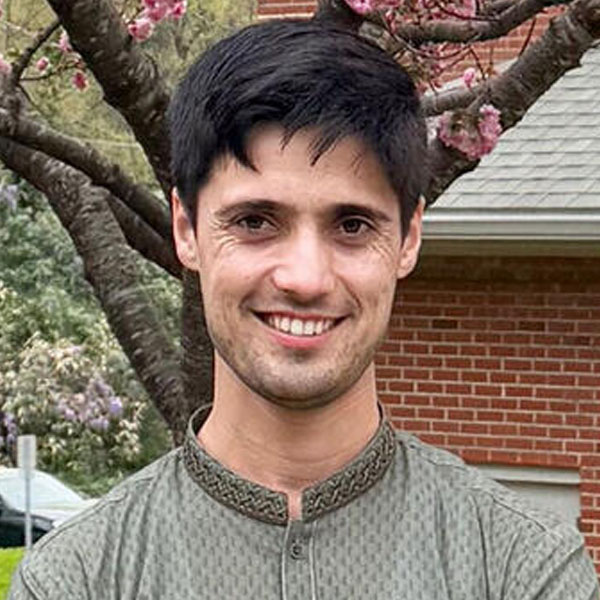 Khawar Latif Khan is Assistant Professor of Teaching in the School of Writing, Literature, and Film at Oregon State University. He got his PhD in Communication, Rhetoric, and Digital Media at North Carolina State University, where he also earned an MS in Technical Communication. His teaching and research focus on technical communication, user experience, and digital media, with a particular interest in design and social justice. Outside of work, he enjoys exploring new coffee shops, watching cricket, and traveling.
WAC Clearinghouse Associate Publishers New Scholar Fellow, 2025-26
Megan Kane, Seton Hall University
 Megan Kane is a Visiting Assistant Professor at Seton Hall University, where she teaches first-year composition, literature, and grammar. Her research involves computational analysis of student writing, with particular focus on the rhetorical choices students make when citing sources. She also examines how AI is shaping writing classrooms and influencing students’ writing practices. Her work is forthcoming in the Journal of Writing Analytics. She received her MA and PhD in English from Temple University and her BA in English Education from Elizabethtown College. She lives in the Philadelphia area with her axolotl, Penelope.
Charles Bazerman New Scholar Fellow, 2024-25
Yvette Chairez, Texas A&M University – San Antonio
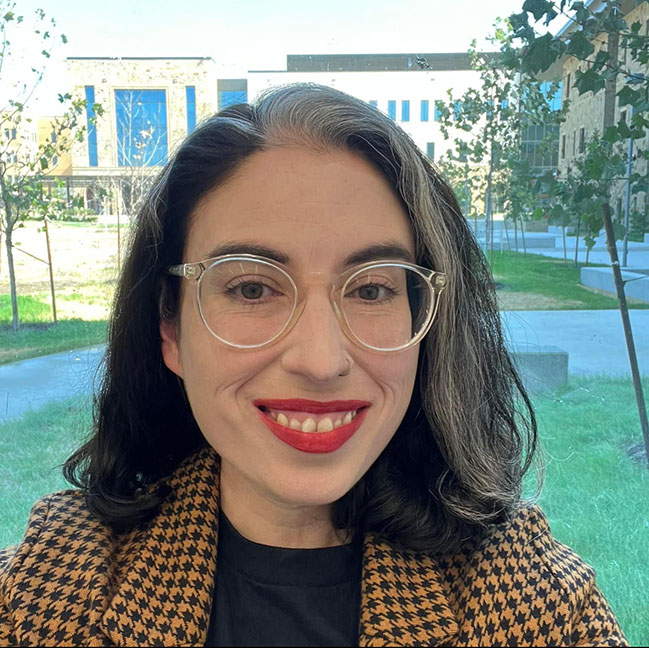 Yvette Chairez is a Lecturer of English at Texas A&M University – San Antonio where she teaches rhetoric and composition with a heavy focus on experiential learning. Currently, she is partnered with her institution’s new Special Collections department to design student projects that will aid in its mission of becoming a leading repository of South Texas Borderlands history. In early 2025, she will assume a Subject Lead role on the NEH-funded grant “Using AI to Support the Writing and Archiving of Oral History Narratives Among Minority College Students in San Antonio.” Chairez’s research specializations are visual and digital rhetorics and feminist new materialisms, with an emphasis on Mexican-American art, culture, and performance. Her forthcoming co-authored anthology documents fashion as a rhetorical form of resistance in contemporary cultural productions within the US-Mexico borderlands; her chapter is a critical case study on garments created with augmented reality by Latinx designers. Chairez lives in the Texas hill country with her family and their Sphynx.
Will Hochman New Scholar Fellow, 2024-25
Zakery R. Muñoz, Syracuse University
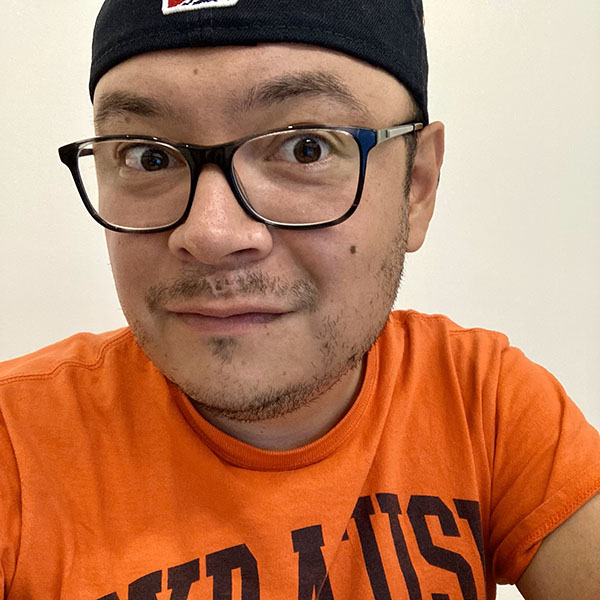 Zakery Muñoz was born and raised in Albuquerque, New Mexico. He is currently a PhD candidate at Syracuse University where he awaits to defend his dissertation, Better Writers: Our Relationship to Graduate Student Writers in Rhetoric, Composition, and Writing Studies. His work is forthcoming in College Composition and Communication.
Susan H. McLeod New Scholar Fellow, 2024-25
Gina Hanson, California State University, San Bernardino
 Gina Hanson is a non-tenure-track faculty member at California State University, San Bernardino, where she teaches composition, literature, and creative writing courses. Her research interests include contingent academic labor and labor justice. Her dissertation looked at professional equity and shared governance inclusion for lecturer faculty in the California State University system. When she’s not researching and writing, she’s rescuing senior cats and dogs with her non-profit senior animal rescue.
Charles Bazerman New Scholar Fellow, 2023-24
Leah Heilig, University of Rhode Island
Leah Heilig (she/her/hers), PhD, is an assistant professor in the Department of Professional & Public Writing at the University of Rhode Island, where she teaches courses in technical communication, user experience and human-centered design, and writing about health and disability. Her research focuses on technical communication, accessibility, and disability studies, with a focus on inclusion for those with psychiatric or mental disability. Her work can be found in The International Journal of Qualitative Methods, Communication Design Quarterly, The Palgrave Handbook for Disability and Communication, Journal of Business and Professional Communication Quarterly, and Technical Communication Quarterly, among others.
Will Hochman New Scholar Fellow, 2023-24
Macy Dunklin, Texas A&M University
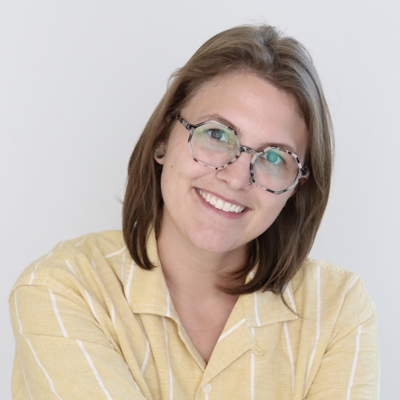 Macy Dunklin comes from Charlotte, North Carolina, and is a doctoral candidate and writing consultant at the University of Texas A&M. Their research interests vary widely from sexual health to trans media representation to graduate student professional development. In a word, “access” describes the overarching drive for Macy’s research and passion projects. They are deeply invested in equity, solidarity, and accessibility in higher education and beyond, and hope to continue developing outreach initiatives to support under-recognized minorities on campus. Macy co-hosted the inaugural Virtual WAC Journal Mini-Conference through the Will Hochman New Scholars Fellowship and, as the second part of the fellowship, has an edited special forum appearing in the Spring 2025 issue of The WAC Journal.
Susan H. McLeod New Scholar Fellow, 2023-24
Hannah Locher, The Ohio State University
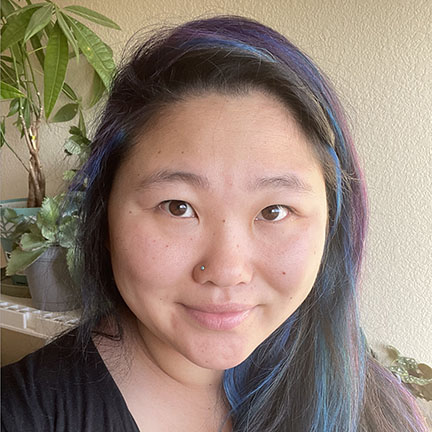 Hannah Locher is a PhD student in the Writing, Rhetoric, & Literacies program where she studies feminist rhetorical new materialisms (RNM), Writing Across the Curriculum/Writing in the Disciplines (WAC/WID), and antiracist pedagogies and administration. Her research focuses on locating equitable and sustainable scholarly practices that attend to embodiment and identity across writing ecologies.