The Emerging Voices Series
Emerging Voices, a collection of interviews from scholars who are currently making and remaking the field of writing studies broadly conceived, is designed to continue preserving the stories of our field, particularly as they pertain to the writing and writing processes of the teachers, researchers, and scholars who make up our discipline. The series, led by Zak Muñoz, provides insights into the embodied experience of writing in our discipline, guiding newcomers as they seek to make a home in the field and providing information about new and potentially critical developments in writing studies.
Like our other interview projects, we are currently inviting nominations for the series. Self-nominations are encouraged.
- Shuvro Das
-
-
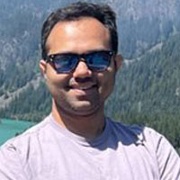
Shuvro Das talks about his ethic of kindness in both his teaching and writing practices. He reflects on his experience as an international student from Bengal and discusses what he calls a “gap” in the mentorship experiences for graduate students in the United States who come from other countries. Das explores his ideas about developing more research and teaching around immigration rhetoric.
- Beth Davila
-

-
In this interview, Bethany Davila discusses her research in Writing Studies, particularly as it pertains to language and identity. She highlights the importance of being a lifelong learner despite expectations of expertise. Additionally, she explores the work-life balance and reminds us to have a life outside of our work.
- Genie Giaimo
-

-
Genie Giaimo talks about her writing process by reflecting on the importance of collaboration, which she calls a “superpower.” She also critiques the publication process and explores the labor of peer review.
- Mandy Olejnik
-

-
Mandy Olejnik discusses her work at the Howe Center at the University of Miami Ohio. She reflects on the process of transitioning from graduate school to an administrative position with research expectations. She also discusses her work about the graduate student experience.
- Marie Pruitt
-

-
Marie Pruitt explains her use of big data and mixed methods approach to research, particularly as it pertains to her dissertation. She reflects on the role of AI in the peer review and publishing process and shares what it is like being a copy editor for Composition Studies.
- Kimberly Thomas
-
-
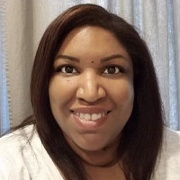
Kimberly Thomas discusses her writing process through various public outlets including Medium. Additionally, she talks about grappling with finding her voice during graduate school and her transition to faculty. Thomas emphasizes the importance of mentorship.
- Annette Vee
-

-
Annette Vee discusses her writing processes and shares the journey of her career. She reflects on writing her dissertation in graduate school and turning it into her first monograph. She details the importance of writing for many types of audiences and demonstrates how she does so in various mediums including Substack. Additionally, she reflects on AI and its role in the college classroom.